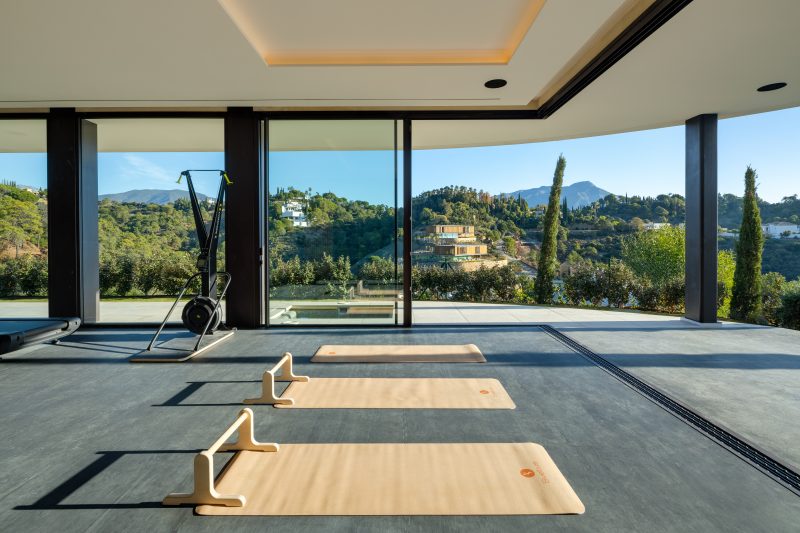
Wellness in real estate is often associated with the features we immediately recognise: a private spa, sauna, indoor pool, gym or dedicated treatment room. These spaces remain highly desirable and relatively rare to have in your own home, and as wellness becomes a greater priority in everyday life, buyers are increasingly looking for homes where exercise, recovery and relaxation can happen without leaving the property.
But the idea of a wellness focused home is becoming much broader. Beyond dedicated facilities, attention is increasingly turning to the environment we experience throughout the entire home. How clean is the air? What is the quality of the water? How much natural light enters throughout the day? Are there views of nature and greenery? How easily do the interiors connect with terraces and gardens?
The private spa and gym are an important part of the picture, but wellness does not stop when you leave those rooms. Increasingly, it is about how the entire home supports the way you feel and live every day.
From $100 Billion to $584 Billion in Just Over a Decade
According to research by the Global Wellness Institute, wellness real estate has moved quickly from a niche idea into a significant part of the global property market. In 2013, the global wellness real estate sector was valued at approximately $100 billion. By 2019, it had reached $225 billion, and in 2024 it was worth approximately $584 billion. That means the market has grown almost sixfold in just over a decade.
And it is not slowing down. The Global Wellness Institute forecasts that wellness real estate will reach approximately $1.1 trillion by 2029, following annual growth of around 20% over the previous five years. It is now the fastest growing sector within the wider wellness economy and represents approximately 3.3% of global annual construction output.
There is another number property owners and investors may find particularly interesting. After reviewing more than 300 academic and independent studies, the Global Wellness Institute found evidence that wellness focused residences at the middle and upper ends of the market can command price premiums of approximately 10 to 25%. Wellness, in other words, is becoming measurable in property value.
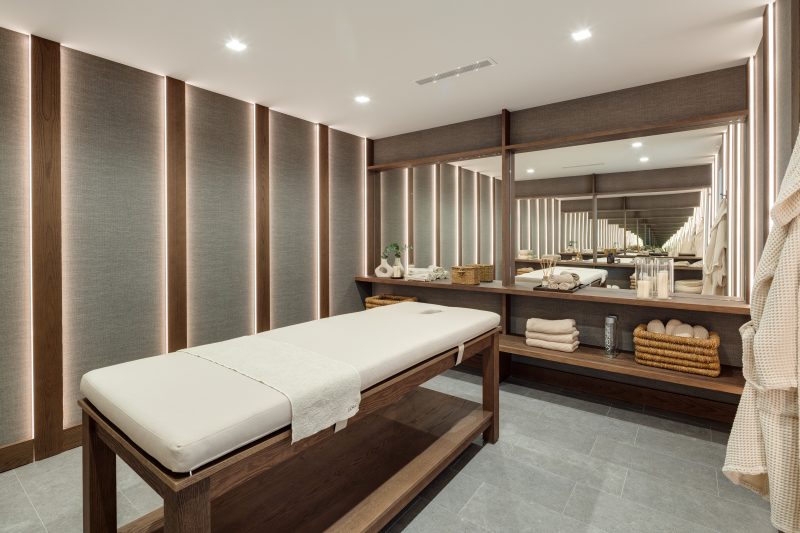
Twenty Minutes in a Sauna. Thousands of Hours in Your Home.
This is perhaps the biggest change happening in wellness real estate. Amenities influence moments, while buildings influence everyday life. You may spend 20 minutes in a sauna or use your gym for an hour, but you spend thousands of hours every year inside your home. That is why wellness is gradually moving beyond dedicated rooms.
A bedroom positioned away from social areas can support better rest. Large windows can bring daylight into the spaces used throughout the morning. Shaded terraces can make outdoor living comfortable during Marbella’s hotter months. Good acoustic insulation can completely change how calm a house feels. Even the layout matters. A staircase that is pleasant to use encourages movement, a kitchen opening directly onto a garden makes eating outside effortless, and a terrace connected naturally to the living room is far more likely to be used than one that feels separate from the home.
These decisions rarely appear under the heading “wellness features” in a property brochure, but perhaps they should.
Marbella Already Has the First Ingredient: The Outdoors
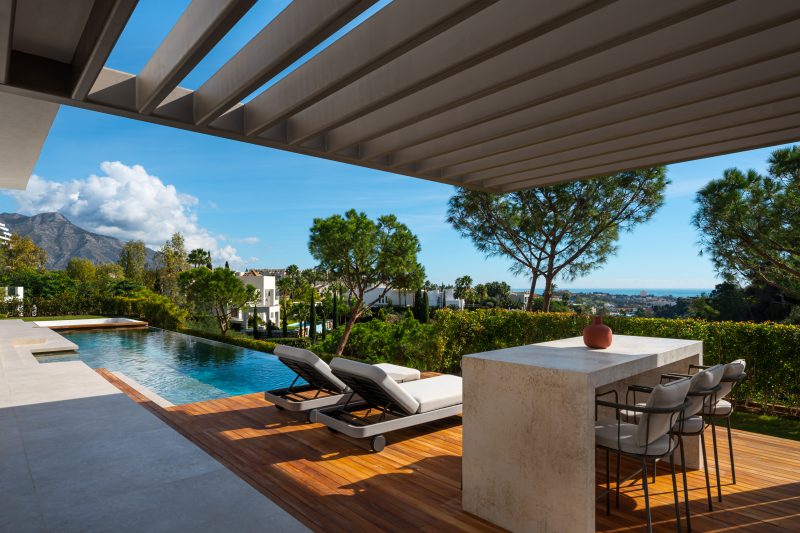
This evolution is particularly relevant in Marbella because much of what wellness architecture tries to achieve elsewhere already exists naturally here. The climate allows people to spend a significant part of the year outside, with the Mediterranean on one side of the city and the mountains on the other. That combination has become one of the reasons so many international residents choose to make Marbella their home, looking not only for a property, but for a healthier, more active way of living.
A morning can begin with a walk along the promenade rather than on a treadmill, followed by a swim in the sea, a game of padel, golf, cycling or a hike up La Concha. These are not activities reserved for the weekend. In Marbella, they can become part of everyday life.
The architecture of Marbella’s best homes increasingly reflects that relationship with the outdoors too. Living rooms open completely onto terraces, courtyards bring trees and daylight into the centre of properties, outdoor kitchens make gardens part of everyday living, and bedrooms open onto private terraces. Pools sit directly alongside living areas rather than being treated as separate parts of the garden.
The distinction between indoors and outdoors becomes less obvious. For many international residents, that ability to build a healthier lifestyle naturally into everyday life is precisely what makes Marbella such an attractive place to call home.
The Private Spa Is Evolving Too
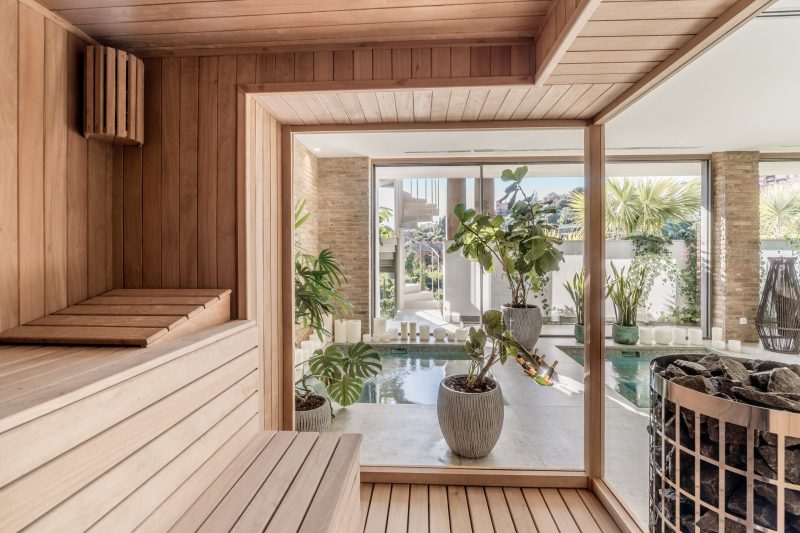
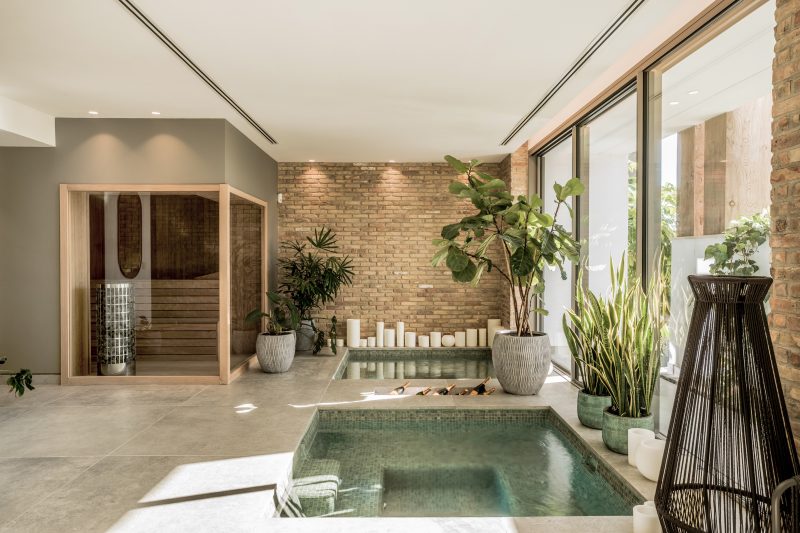
Private wellness spaces remain an important part of this evolution. In Marbella’s newer villas, we increasingly see complete spa systems that bring together indoor heated pools, saunas, steam rooms, hammams, cold plunges and massage areas, alongside fully equipped gyms and dedicated spaces for exercise and recovery. Having these facilities at home makes wellness easier to integrate into everyday routines, whether that means training, swimming, recovering after exercise or simply taking time to switch off.
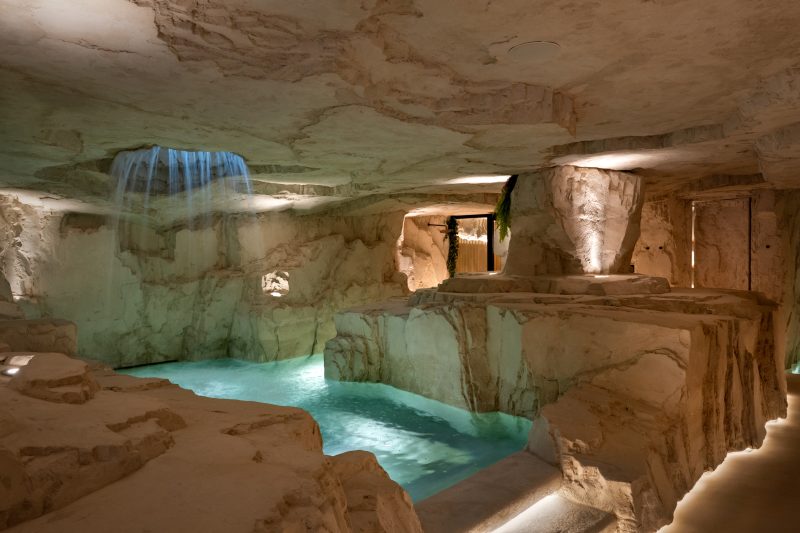
What is also changing is the way these spaces are designed. A private spa is no longer purely functional. Natural light, views, carefully selected materials, water features and connections to gardens are increasingly incorporated into the experience, blending the benefits of wellness with architecture and aesthetics. Indoor pools are becoming beautiful spaces in their own right, while gyms are being positioned to benefit from daylight and views rather than simply occupying an available room.
This combination of dedicated wellness facilities and thoughtful design reflects the wider direction of residential wellness. It is not only about having the right amenities, but creating spaces that people genuinely want to use and making wellbeing a natural part of life at home.
Technology Is Moving Behind the Walls
Some of the most significant developments in residential wellness may barely be visible at all. Modern homes can continuously monitor temperature, humidity and air quality. Advanced filtration systems can remove airborne particles, mechanical ventilation can introduce filtered fresh air without requiring windows to remain open, lighting can change throughout the day, and climate systems can control individual rooms rather than treating the entire property as one environment. Water quality is becoming part of the conversation too, with whole home filtration increasingly appearing alongside more familiar smart home systems.
This represents an interesting change in buyer priorities. For years, home technology largely meant convenience: controlling the lights from your phone, lowering the blinds automatically or adjusting the temperature before arriving home. The next generation of residential technology is increasingly about the quality of the environment itself.
The Future of Wellness Real Estate
Wellness in real estate is becoming less about adding more features and more about creating homes that simply work better for the people living in them. A private spa, gym or indoor pool will continue to be desirable, but the real evolution is happening across the entire home, from the air we breathe and the light entering a room to the way spaces connect with nature and encourage us to spend more time outside.
This feels particularly relevant in Marbella, where the climate and landscape already make outdoor living part of everyday life. The most successful homes are increasingly those that work with that environment, bringing natural light inside, opening living spaces onto gardens and terraces, and creating a natural connection between the home and its surroundings.
As buyers become more conscious of how their environment affects the way they live, wellness is likely to become less of a separate category and more of an expectation of good residential design. Perhaps the homes of the future will not be defined by how many wellness features they have, but by something much simpler: how good they make everyday life feel.