
Spring is one of the most beautiful times of the year on the Costa del Sol, and Easter brings a unique atmosphere to the region. Across Spain, Easter is one of the most important cultural and religious moments of the year. Known as Semana Santa, or Holy Week, it is marked by traditions that date back centuries and are deeply rooted in Spanish history.
Unlike the chocolate eggs and playful symbols often associated with the holiday elsewhere, Easter in Spain focuses on the story of the Passion, Death and Resurrection of Jesus Christ. The week is commemorated with powerful processions, dramatic religious imagery and ceremonies that transform entire cities. Streets fill with music, candlelight, flowers and thousands of people dressed in traditional robes, creating an atmosphere that is both emotional and unforgettable.
In 2026, Holy Week will take place from 29 March to 5 April, beginning on Palm Sunday and ending on Easter Sunday. During these days, Marbella and many other Spanish cities become stages for one of the most fascinating traditions in Europe.
Semana Santa Traditions Across Spain
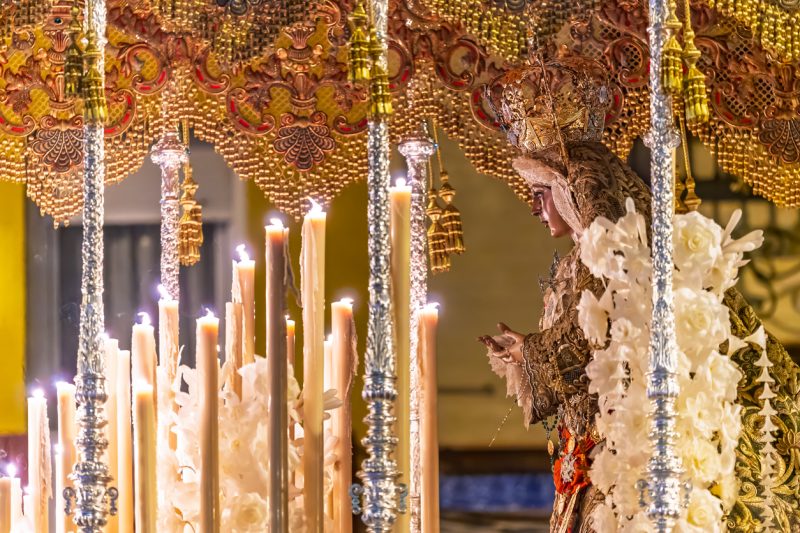
Throughout the country, brotherhoods known as cofradías organise processions that move slowly through the streets. These groups carry large religious floats that depict scenes from the life of Christ and the Virgin Mary. The floats are decorated with flowers, candles and detailed sculptures, some of which are centuries old.
The processions are accompanied by rhythmic drumming, brass bands and participants dressed in traditional robes and pointed hoods called nazarenos. The atmosphere can shift from solemn silence to powerful music within moments. For many visitors, witnessing these processions for the first time is an experience that leaves a lasting impression.
Each day of Holy Week has its own meaning. Palm Sunday marks the beginning of the celebrations and commemorates the arrival of Jesus in Jerusalem. Maundy Thursday recalls the Last Supper. Good Friday is the most solemn day, remembering the crucifixion of Christ. Holy Saturday represents the quiet anticipation before the resurrection, and Easter Sunday brings a joyful celebration marking the resurrection itself.
Easter in Marbella
While larger Spanish cities may be famous for their grand processions, Marbella offers a more intimate and charming experience. The old town becomes the centre of the celebrations, with narrow streets illuminated by candles as the processions pass slowly through historic squares and whitewashed alleyways. Residents gather along the streets to watch the floats move past while traditional music echoes through the old quarter. Churches are decorated with flowers and candles, and the atmosphere during the evenings is particularly memorable. The combination of historic architecture, warm spring evenings and centuries old traditions creates a setting that is both beautiful and deeply cultural. Visitors often spend their days exploring the old town, relaxing along the seaside promenade, and returning in the evening to watch the processions that pass through the historic centre, with most beginning between 18:00 and 21:00 and continuing late into the night.
Things to Do in Marbella During Semana Santa
Watch the Processions in Marbella’s Old Town
One of the most memorable experiences during Holy Week is spending time in Marbella’s historic centre. As evening approaches, the narrow streets fill with spectators eagerly awaiting the processions. Large wooden floats, or tronos, are carried by members of local brotherhoods through streets lined with candlelight and flowers. Bands play solemn music, incense fills the air, and the quiet reverence of the crowd creates a powerful, unforgettable atmosphere. The area around Plaza de los Naranjos and the surrounding streets are the best spots to witness these processions up close, and it’s recommended to arrive early to secure a good view. Don’t forget to pause in local cafés or bakeries for a coffee and a traditional torrija while soaking in the sights and sounds of Holy Week.
Explore Nearby Andalusian Villages
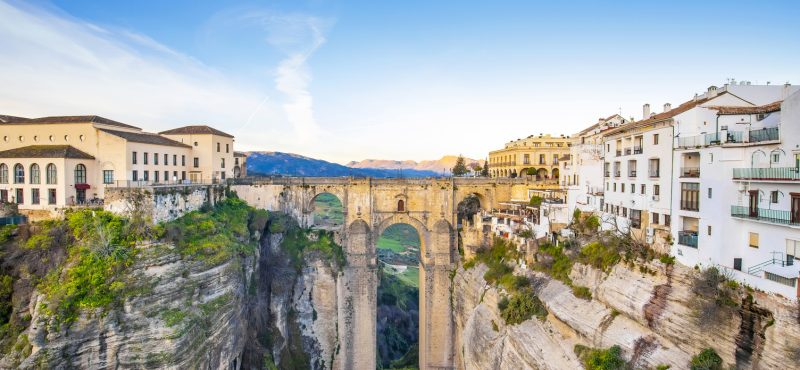
Semana Santa is also a wonderful opportunity to visit the charming mountain villages surrounding Marbella. The whitewashed streets and quiet squares of towns like Mijas or Ronda offer a completely different atmosphere from the coast. Ronda is known for its dramatic gorge, historic bridge, and centuries-old churches, while Mijas delights visitors with its panoramic views and traditional architecture. During Easter, many villages organise smaller, intimate processions and local festivities, offering a more personal perspective on Andalusian traditions.
Easter Sunday Services & Brunches
Easter Sunday in Marbella blends tradition with a relaxed coastal atmosphere. Many locals begin the day attending Mass at churches such as Iglesia de la Encarnación or Parroquia Santo Cristo del Calvario, before gathering with family and friends to celebrate.
Food plays an important role, with torrijas – a traditional Spanish Easter dessert made of bread soaked in milk or wine, fried, and finished with honey or sugar, enjoyed throughout the day, often found in local bakeries and cafés around the Old Town. For a more elevated experience, Marbella’s leading hotels and beach clubs host refined Easter brunches and seasonal menus.
At Marbella Club Hotel, guests can enjoy elegant garden brunches often accompanied by live music, while Puente Romano Beach Resort offers a variety of high-end dining options including Sea Grill for long, leisurely seaside lunches. For a more vibrant atmosphere, Nikki Beach Marbella is known for its festive Easter celebrations combining dining and music, while El Patio at Marbella Club offers a more traditional and intimate Andalusian setting. Reservations are highly recommended during this period, as Easter is one of the busiest times of the year.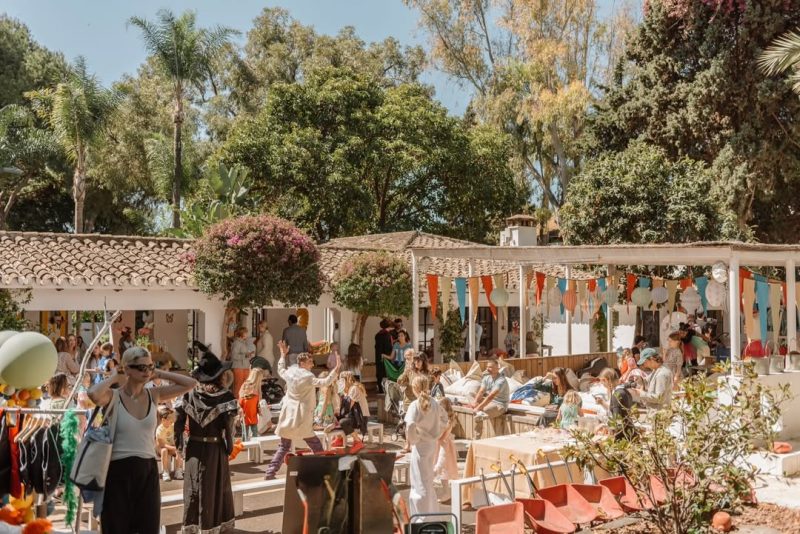
Family-Friendly Activities
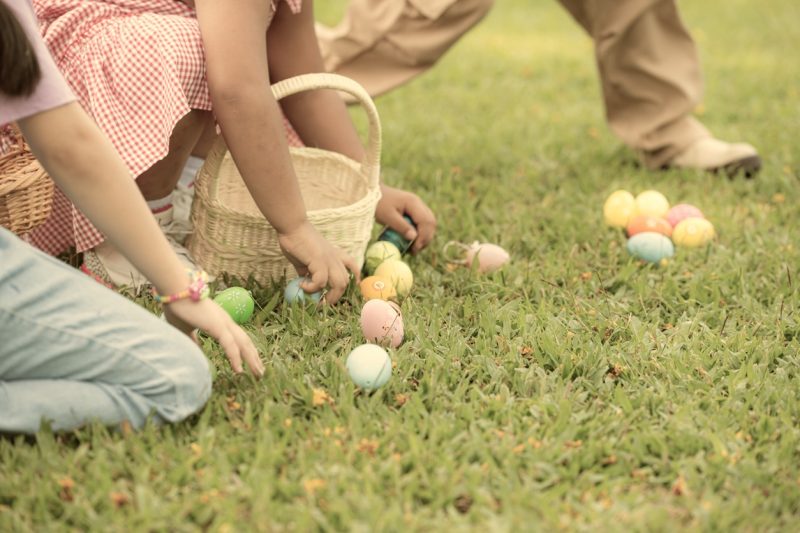
Semana Santa in Marbella offers plenty for families. Family-friendly experiences during this time can be found across some of Marbella’s most renowned resorts, with Marbella Club Hotel and Puente Romano Beach Resort especially known for their Easter programmes, including kids clubs, egg hunts, arts and crafts, and creative workshops. At Nobu Hotel Marbella, families can also enjoy seasonal activities such as Easter egg hunts, sports camps, and interactive games, creating a lively yet refined holiday atmosphere.
Beaches and Promenades
Spring in Marbella brings mild temperatures, making the beaches and promenade ideal for outdoor activities. Walk or cycle along the promenade, try paddleboarding, or simply relax on the quieter beaches before the summer crowds arrive. Several beach clubs host Easter events, live music, and seasonal menus, allowing visitors to combine daytime relaxation with a festive yet sophisticated atmosphere before heading into the Old Town for evening processions.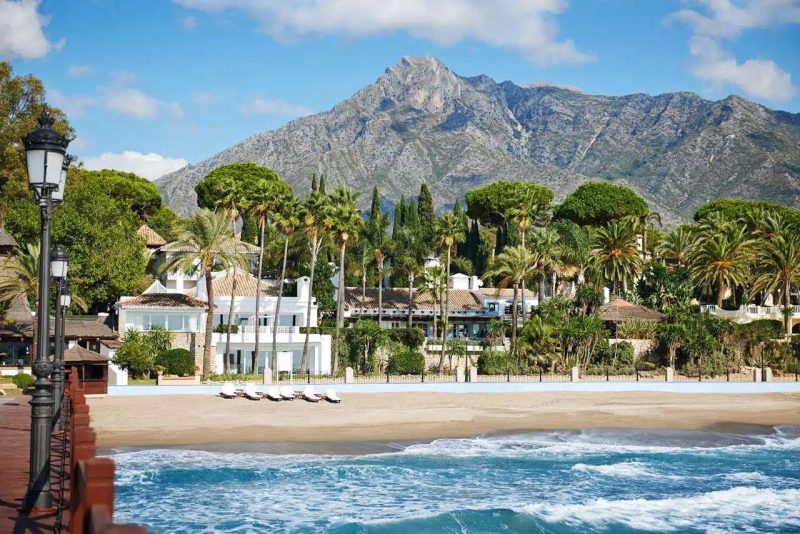
Celebrate Easter at Forum Marbella
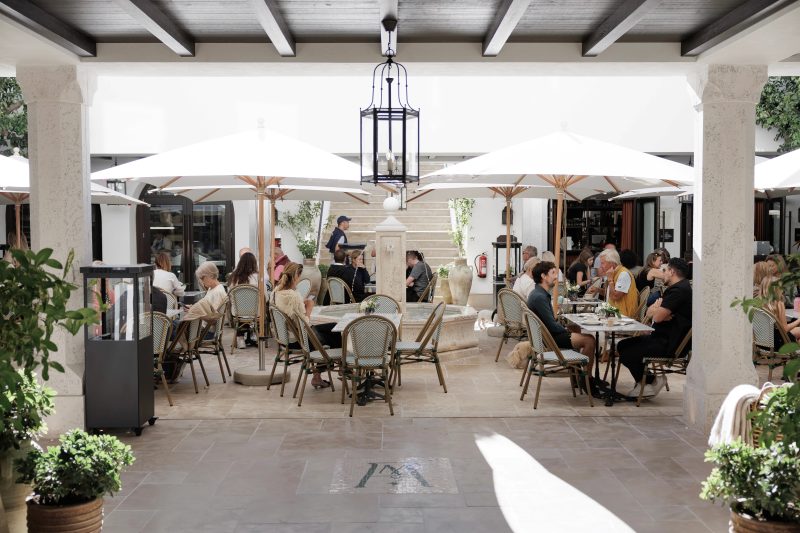
During Semana Santa, Forum Marbella becomes a vibrant meeting point for both locals and visitors, offering a curated programme of seasonal events. Families can enjoy egg painting workshops for both adults and children, playground areas, Easter egg hunts, and special Bunny visits, while live music and a lively atmosphere run throughout the day. Set within a stylish open-air setting, it’s an ideal place to spend a relaxed morning or afternoon, combining entertainment, dining, and Marbella’s social lifestyle in one destination.
Discover the Processions in Málaga
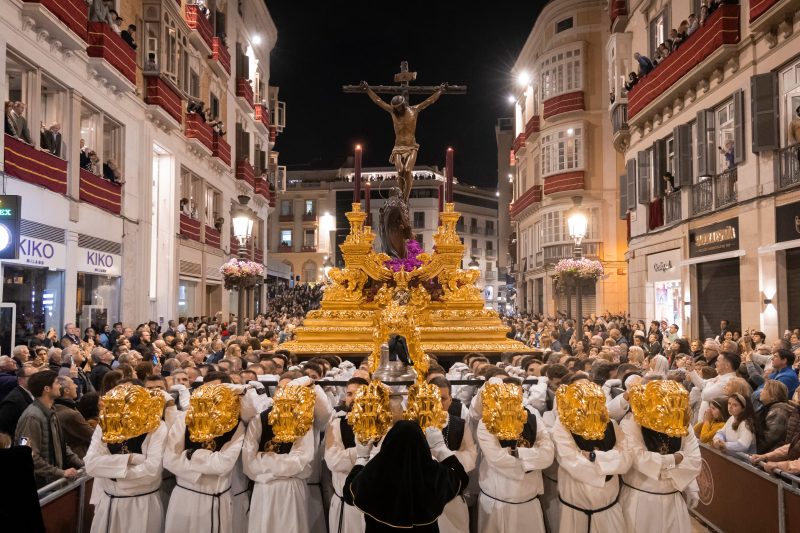
A short trip from Marbella brings you to Málaga, where Semana Santa reaches one of its largest and most spectacular scales. Dozens of processions weave through the historic centre, passing landmarks such as Calle Larios and Plaza de la Constitución.
Huge floats carried by hundreds of people, accompanied by marching bands and thousands of spectators, make for an immersive experience. Visitors can enjoy both the solemnity of the religious ceremonies and the beauty of the city’s historic streets, architecture, and lively squares.
Take a Day Trip to Seville
For many, a visit to Seville during Semana Santa is the highlight of Easter in Spain. Nearly sixty brotherhoods organise processions that wind through the historic streets, carrying intricately decorated religious sculptures on large floats.
The Seville Cathedral, one of Europe’s largest, serves as a key point along the procession route. Famous events include the Virgen Macarena and Jesús del Gran Poder processions. Walking the streets of Seville during Holy Week feels like stepping into a living tradition, with music, candlelight, and historic architecture creating an atmosphere unlike anywhere else in Spain.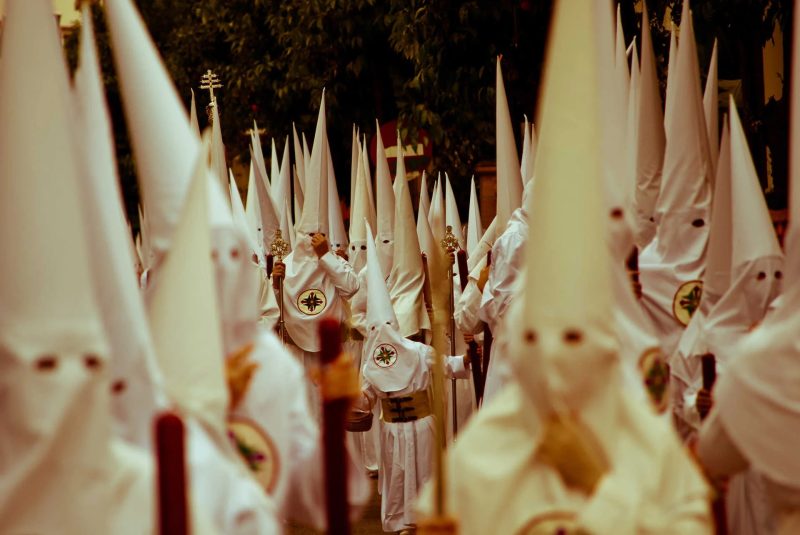
Is Semana Santa a Good Time to Visit Spain?
For many travellers, Semana Santa is one of the most fascinating times of the year to visit Spain. The week offers a rare opportunity to experience traditions that have shaped Spanish culture for centuries. Cities, towns and villages come alive with processions, music and ceremonies that reflect the country’s strong historical and cultural identity.
Visitors who enjoy vibrant streets, cultural events and a lively atmosphere will find this period especially memorable. Watching the processions pass through historic squares, hearing the sound of marching bands echo through narrow streets and seeing entire communities take part in the celebrations creates a powerful sense of place.